1. Why a deposit policy matters
An empty appointment slot is lost income. A £50 nail appointment that doesn't show up costs you £50 in lost revenue — plus any products prepared, the time you could have given to another client, and the mental overhead of a last-minute cancellation.
I used to get 3–4 no-shows a month. Since adding a £20 deposit I've had maybe 2 in the last year. The clients who were ghosting me weren't serious — the deposit just made that clear before it cost me a slot.
A deposit policy has two effects: it reduces the number of no-shows (clients who have paid something are far less likely to ghost) and it ensures that when a cancellation does happen, you have partial compensation for the lost slot.
2. How much to charge as a deposit
The right deposit amount is large enough to feel meaningful (deterring casual bookings) without being a barrier to serious clients. Most UK nail techs charge £15–25 for standard appointments and higher for longer or more complex services.
| Service type | Appointment value | Suggested deposit |
|---|---|---|
| Gel polish manicure | £25–40 | £10–15 |
| Full set (gel/acrylic) | £40–60 | £15–25 |
| Full set with nail art | £55–90 | £20–35 |
| Long appointment / premium work | £80+ | £30–50 |
| Nail art session (2+ hours) | £60–120 | £25–50 |
3. Refundable vs non-refundable deposits
The most client-friendly — and most effective — approach is a tiered deposit policy based on notice period:
| Notice given | Deposit outcome |
|---|---|
| 48+ hours | Deposit transferred to a new booking or fully refunded |
| 24–48 hours | Deposit retained or 50% refunded, depending on your policy |
| Under 24 hours / no-show | Deposit retained (non-refundable) |
This approach is firm enough to protect you from last-minute cancellations, but fair enough that clients who give proper notice don't feel penalised. It also gives clients an incentive to reschedule early rather than cancelling outright.
4. Writing your deposit policy
Your policy text should be short, clear, and included on your booking page and in your confirmation message. Here's a template:
Deposit Policy — [Your Business Name]
A non-refundable deposit of £[amount] is required to confirm your booking. This deposit is deducted from the total cost of your appointment.
- Cancellations with 48+ hours notice: deposit transferred to a new appointment.
- Cancellations with less than 24 hours notice: deposit is retained.
- No-shows: deposit is retained and the appointment cannot be rescheduled without a new deposit.
By booking, you agree to these terms.
Use the free cancellation policy generator to create a custom policy for your business.
5. Communicating your policy to clients
A policy only protects you if clients are clearly informed of it before booking. The three places your deposit policy must appear:
- 1
On your booking page, before confirmation
Clients should see the deposit amount and policy summary before entering their payment details. Presenting it at checkout and not before creates disputes. - 2
In the booking confirmation message
Your confirmation should include: appointment details, deposit paid, and a one-line reminder of the cancellation notice required. - 3
In your Instagram bio or Highlights
New clients may check your Instagram before booking. Including "Deposits required to book" in your bio or a Highlights story sets the expectation early.
6. Handling objections
Some clients will push back on deposit requirements, especially if they've never been asked for one before. These responses can help:
| Client says | You can reply |
|---|---|
| "I've never had to pay a deposit before" | "Most nail techs are adding them now — it's standard practice to hold appointment slots. The deposit comes off your total on the day." |
| "I'm a regular, do I still need to pay?" | "Yes — it's the same for all bookings. It just secures the slot and comes off the price as usual." |
| "What if I need to cancel?" | "If you give 48 hours notice, I'll transfer it to a new booking with no problem. The deposit is only kept if it's a short-notice cancellation." |
| "Can I pay when I arrive?" | "The deposit is what holds the slot — without it the booking isn't confirmed. I do get enquiries from multiple people for the same time, so I need it to secure yours." |
7. How to collect deposits
You have several options for collecting deposits, each with different levels of friction:
| Method | Friction | Notes |
|---|---|---|
| Bank transfer / BACS | Medium | Manual — you have to confirm receipt and chase non-payment |
| PayPal Friends & Family | Medium | No fees but no buyer protection; clients may dispute |
| PayPal Goods & Services | Medium | Has fees; clients may raise disputes |
| Booking app (Stripe-based) | Low | Automatic; collected at booking, tracked per appointment, reduces admin |
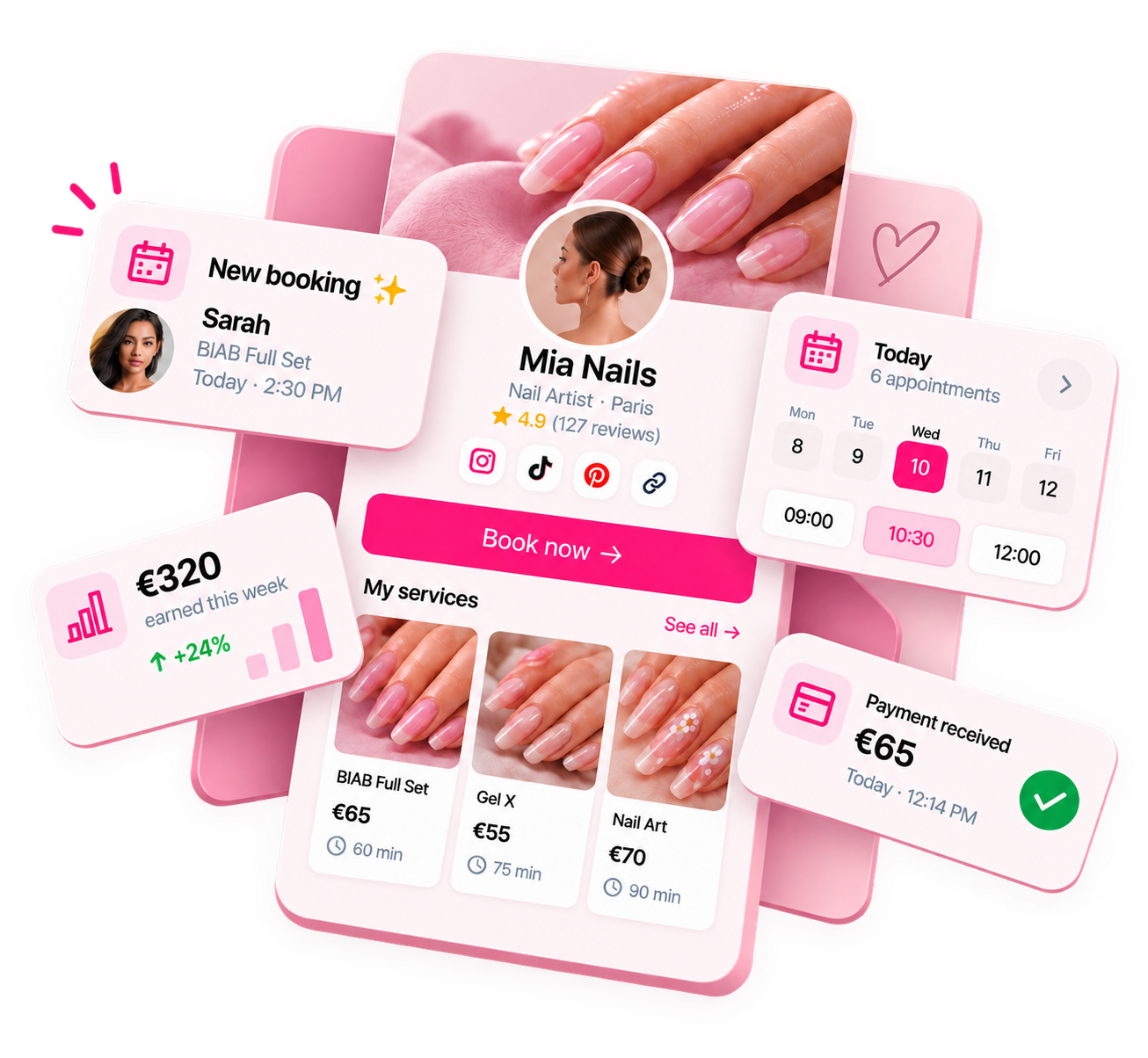
Nelsy collects deposits automatically when a client books — no bank transfers to chase, no manual tracking. The deposit is deducted from the final amount on the day.
Useful resources
Ready to run your nail business more professionally?
Manage bookings, deposits and payments from one customisable Nelsy booking page.
Start free →Frequently asked questions
Should deposits be refundable or non-refundable?▾
Most nail techs make deposits non-refundable if the client cancels within the notice period (usually 24–48 hours). Outside the notice period, the deposit is either refunded or transferred to a new appointment. Making deposits fully non-refundable regardless of notice deters some clients; making them fully refundable defeats the purpose.
How do I introduce a deposit policy to existing clients?▾
Give notice 2–4 weeks in advance. Message existing clients personally and explain that you're adding deposits to protect appointment times. Most loyal clients will understand and accept the change.
What if a client refuses to pay a deposit?▾
It's reasonable to decline to book clients who won't pay a deposit. Your policy exists to protect your business. A client who refuses to pay £15 to hold a spot is likely not someone who will reliably show up.
Can I take deposits without a booking app?▾
Yes — bank transfer or PayPal works. But manual deposit collection is time-consuming and harder to track. A booking platform that handles deposits automatically saves significant admin time and ensures clients see the deposit requirement before confirming.