When discounts make sense
Discounts are a marketing tool. Like any tool, they're useful in the right situation and counterproductive in the wrong one:
| Scenario | Why a discount can work |
|---|---|
| Filling unused capacity (last-minute slots) | An unused slot generates £0; a discounted slot generates partial revenue. Makes sense for genuinely unfillable time. |
| Win-back campaign for dormant clients | A time-limited offer motivates a client who's drifted to rebook specifically now |
| New client introductory offer | Lowers the barrier for first-time clients who haven't tried your work before; only justified if client lifetime value makes it worthwhile |
| Student / practice pricing during training | While building skill; practice models accept lower rates for the service |
When discounts hurt your business
- Routine discounting: "I always give regulars 10% off" trains clients to expect it and makes full price feel like an increase
- Discounting to compete on price: There will always be someone cheaper — you can't win a price war without a lower cost base
- Discounting under pressure: Agreeing to lower prices when a client hints they might leave rewards the behaviour and sets a precedent
- Discounting as the only response to a slow period: Devalues your work; attracts price-sensitive clients; doesn't address the underlying reason for the quiet period
Discount types that work well
| Discount type | Why it works |
|---|---|
| Time-limited offer ("book by [date]") | Creates urgency; clients act now rather than "eventually" |
| New service introductory price | Lets clients try a new service at lower risk; builds a client base for it |
| Pre-pay bundle | Not technically a discount — it's bulk buying. Client commits to multiple appointments; you get upfront payment. |
| Free add-on rather than money off | Adds value without lowering your base service price; feels like a gift rather than a markdown |
Alternatives to discounting
Most of the goals a discount achieves can be reached with value-adds that don't cut your price:
- Free add-on: "Book this month and I'll add chrome at no charge" — same appeal, doesn't reduce base price
- Priority booking access: "As a regular, you get first access to new availability before it opens publicly"
- Small gift: A mini cuticle oil or nail care item — tangible value, low cost to you
- Loyalty program: A reward that compounds over time rather than a one-off discount
A framework for deciding
If a discount passes this filter — it's strategic, time-limited, affordable, and attracts the right kind of client — it can be a useful tool. If it doesn't pass the filter, you're probably better off with a different approach.
For the related question of when to raise prices instead: when should a nail tech raise prices.
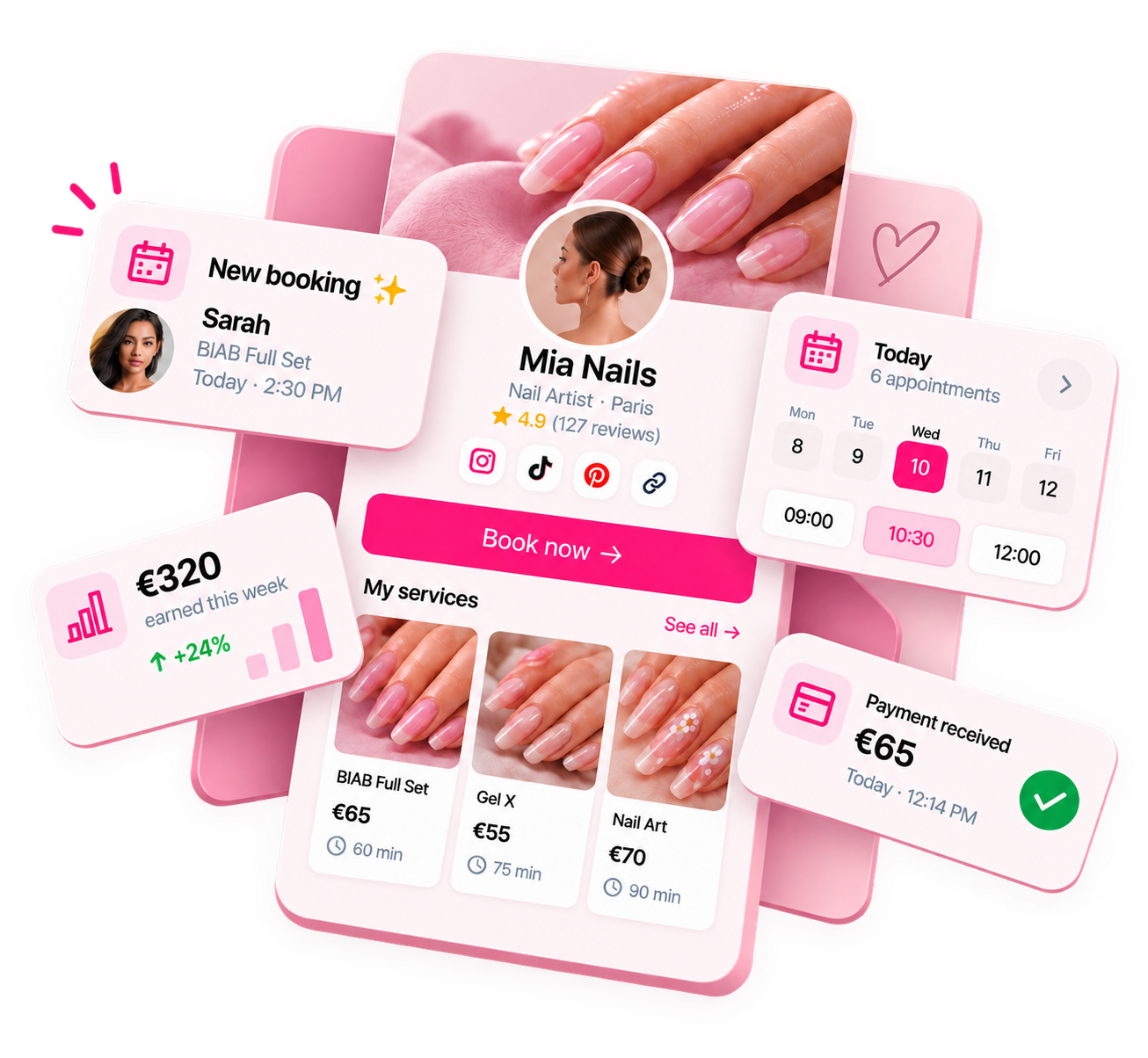
Ready to run your nail business more professionally?
Manage bookings, deposits and payments from one customisable Nelsy booking page.
Start free →Frequently asked questions
Should I offer a new client discount?
A small new client offer (10% off, or a free add-on) can be a useful acquisition tool, particularly for techs building their client base. The risk: it attracts clients who are primarily motivated by price, who may leave when the discount expires. A better approach is a "first appointment" special that focuses on the experience (free cuticle treatment, aftercare guide) rather than a price cut — this communicates value rather than discount positioning.
Is it okay to discount for friends and family?
Most nail techs discount or comp services for close friends and family — this is a personal decision. However, extending heavy discounts to everyone who mentions a connection ("my friend [name] comes to you") creates a complex social dynamic and can undervalue your work. A clear policy ("close friends get X off; I'm always happy to help") is cleaner than deciding case by case.
What do I do if a client asks for a discount?
Handle it warmly and directly: "My prices are [X] — I keep them consistent for everyone. What I can do is [add-on / priority booking / package offer]." You don't need to apologise for your prices. A client who pushes for a discount is a client who has decided your value should be lower — that's information about fit, not a negotiation to win.